The world of hemp-derived cannabinoids is constantly evolving, bringing exciting new compounds to the forefront. For many users, the search for stronger, longer-lasting effects has led to a fascinating new compound: THC-P. Since its discovery in 2019, THC-P has rapidly gained attention for its exceptional potency, offering a compelling alternative for those seeking a more profound experience.
As we move through 2026, understanding how to navigate the expanding market for THC-P carts and disposables is crucial. With new products emerging regularly, knowing what to look for—and what to avoid—is key to a safe and satisfying experience. The market demands informed choices, especially with upcoming regulatory shifts that will impact nearly all hemp-derived products.
In this comprehensive guide, we will dive deep into what makes THC-P distinct from other cannabinoids like Delta-9 THC, and explore its incredible strength. We will help you identify the best THC-P vape products available today, focusing on critical factors like lab testing, potency, and flavor. Furthermore, we will cover essential safety considerations, legal landscapes, and practical tips for ensuring you get the purest and highest-quality cannabinoid products.
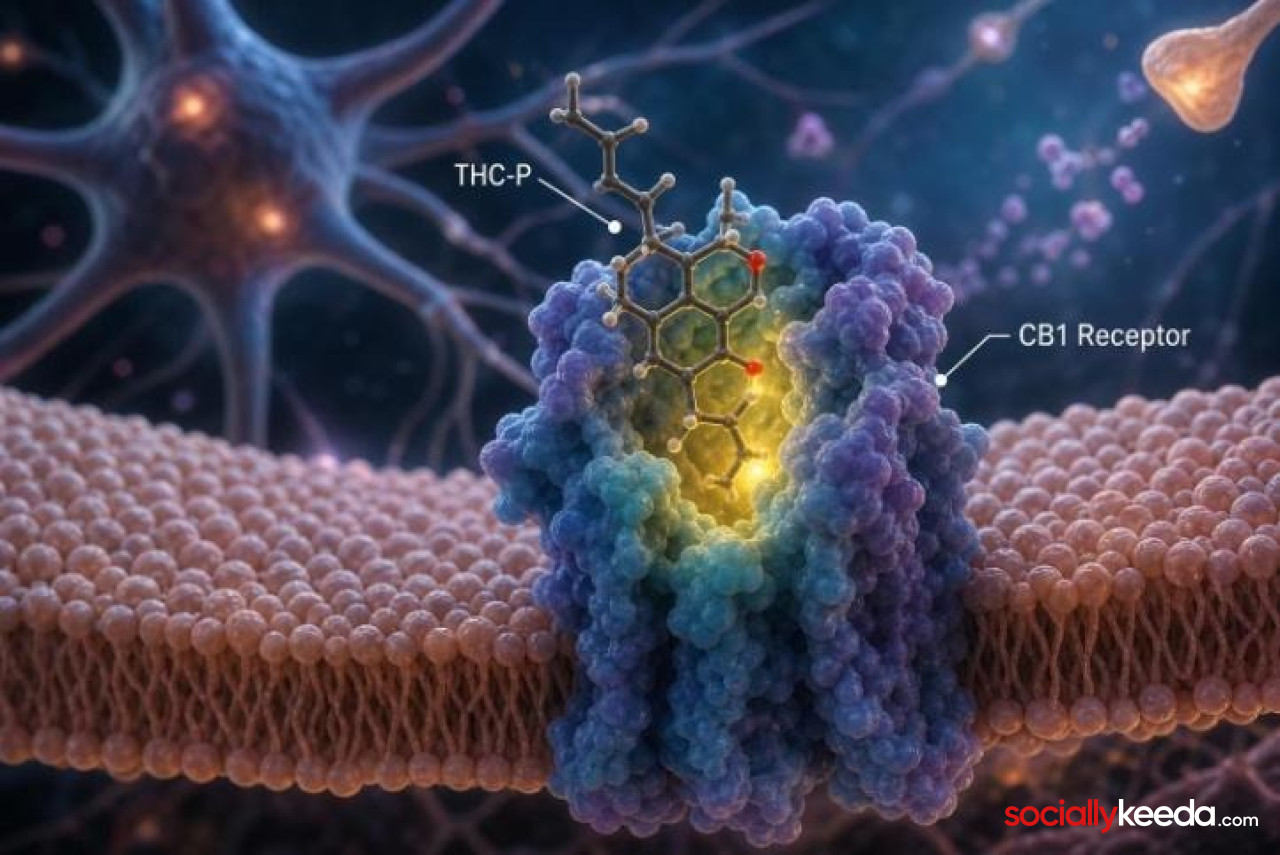
The discovery of Tetrahydrocannabiphorol, or THC-P, in 2019 by Italian researchers marked a significant milestone in cannabinoid science. This naturally occurring phytocannabinoid, identified in the Cannabis sativa plant, immediately captivated the scientific community due to its unique molecular structure. What sets THC-P apart is its elongated alkyl side chain, featuring seven carbon atoms compared to the five found in Delta-9 THC. This seemingly minor structural difference has profound implications for how THC-P interacts with the human endocannabinoid system.

– Advertisement – Continue Reading Below –
The groundbreaking 2019 Scientific Reports study revealed that THC-P binds to CB1 receptors approximately 33 times more strongly than Delta-9 THC. This statistic is often cited, but what does it truly mean for the user? The CB1 receptors are primarily located in the brain and central nervous system, and their activation is responsible for the psychoactive effects associated with cannabis. A stronger binding affinity means that THC-P can elicit a more potent response at lower concentrations, or a significantly more intense effect at comparable doses. This doesn’t necessarily translate to being “33 times stronger” in perceived effect for every individual, but rather indicates a much higher efficiency in activating these critical receptors. For consumers, this translates to a cannabinoid capable of delivering exceptionally powerful and often longer-lasting experiences.
When comparing THC-P to other popular cannabinoids, its potency stands out. Delta-9 THC, the primary psychoactive compound in traditional cannabis, is the benchmark. Delta-8 THC, a federally legal isomer of Delta-9, is known for being roughly half as potent as Delta-9, offering a milder, more body-centric high. THCA (Tetrahydrocannabolic Acid) is the acidic precursor to Delta-9 THC and is non-intoxicating until decarboxylated (heated). While THCA itself isn’t psychoactive, it converts to potent Delta-9 THC when vaped or smoked. THC-P, however, directly interacts with CB1 receptors with an efficiency that far surpasses even Delta-9 THC. This makes it a highly sought-after compound for those with significant tolerance or who simply desire a more profound experience.
The demand for high-potency hemp-derived cannabinoids like THC-P is clearly reflected in market trends. Industry projections indicate that THC-P products are poised for substantial growth, with a Compound Annual Growth Rate (CAGR) of 18.7% from 2024 to 2030. This surge is largely driven by consumers seeking novel and more intense effects than traditional Delta-9 or milder alternatives can provide. As the market expands, understanding the nuances of THC-P’s potency and its interaction with the body becomes increasingly important for both new and experienced users.
Dosing and Effects of High-Potency Cannabinoids
Given THC-P’s exceptional potency, understanding proper dosing is paramount. For new users, or even experienced users transitioning from Delta-8 or Delta-9, a “less is more” approach is strongly advised. The typical onset time for vaped THC-P can range from a few minutes to about 20 minutes, similar to other inhaled cannabinoids. However, the duration of effects is notably longer. While standard Delta-9 THC effects often last 2–4 hours, and Delta-8 effects 2–3 hours, THCP effects when vaped typically last 3–6 hours, and in some cases, even longer. This extended duration means users need to plan their consumption carefully, especially those with active lifestyles in areas like Hollywood, FL, where a sustained effect might be desired for a long day out or an evening event.
Microdosing, or taking very small, controlled puffs, is the recommended starting point for THC-P. Users should wait at least 30-60 minutes after their initial dose to fully assess the effects before considering another puff. Common side effects, particularly with higher doses, can include dry mouth, red eyes, increased appetite, drowsiness, and in some cases, anxiety or paranoia. Due to its potent nature, there’s also a quicker potential for tolerance build-up compared to less potent cannabinoids. Regular users might find their usual dose less effective over time, necessitating breaks or adjustments to their consumption patterns.
Consumer preferences clearly indicate a shift towards these more potent options. A 2023 consumer survey revealed that a significant 62% of experienced cannabis users expressed a preference for THC-P or THC-P-blended products. Their reasoning? The desire for stronger, longer-lasting effects that traditional THC products sometimes fail to deliver, especially for those with higher tolerances. This data underscores the market’s appetite for advanced cannabinoid experiences, making informed choices about product selection even more critical.
Sourcing Quality Hemp Products in the Digital Space
In an increasingly digitized world, sourcing quality hemp products, including THC-P vapes, often happens online. For consumers in places like Hollywood, FL, where local standards and regulations are evolving, understanding how to navigate the digital marketplace is crucial. Florida has a robust hemp program overseen by the Florida Department of Agriculture and Consumer Services (FDACS), which sets guidelines for cultivation, processing, and sales. While these regulations provide a framework, the online space can still be a Wild West if you don’t know what to look for.
When purchasing online, prioritize vendors who demonstrate a commitment to transparency and quality. We believe in empowering consumers to find the purest and highest-quality cannabinoid products, which is why we emphasize thorough research. Look for brands that are open about their sourcing, manufacturing processes, and most importantly, their lab testing results. A reputable online retailer should provide clear information about where their hemp is grown, how it’s extracted, and what other ingredients are used in their products. For those in Broward County and other parts of Florida, ensuring that the brand can legally ship to your location and complies with state-specific nuances is also a key consideration.
Verifying Lab Results for Quality Hemp Products
The cornerstone of quality assurance in the hemp industry is the Certificate of Analysis (COA). A COA is a document from an accredited third-party laboratory that details the cannabinoid profile, potency, and purity of a product. For THC-P carts, this means verifying the percentage of THC-P, as well as checking for the presence of other cannabinoids like Delta-9 THC (to ensure federal and state compliance), CBD, CBG, and CBN.
Beyond cannabinoid potency, a comprehensive COA should also screen for potential contaminants. This includes heavy metals, which can be absorbed from the soil during cultivation; residual solvents, left over from the extraction process; pesticides, used during farming; and mycotoxins, which are harmful compounds produced by mold. The absence of these contaminants is just as important as the presence of the desired cannabinoid. Always look for a COA that is recent, batch-specific, and easily accessible on the product page or via a QR code on the packaging. If a brand does not provide readily available, third-party lab results, consider that a significant red flag. A clean lab COA report is your best defense against substandard or unsafe products.
Hardware and Terpene Standards for Quality Hemp Products
The quality of a THC-P vape cart or disposable isn’t solely about the oil inside; the hardware and terpene profile play equally vital roles in the overall experience. For carts, ceramic coils are widely considered the gold standard. Unlike older wick-based systems, ceramic coils heat the oil more evenly, preventing burning and preserving the integrity of the cannabinoids and terpenes. This results in smoother draws, better flavor, and a longer lifespan for the cart. Given the often-humid climate in Florida, especially in areas like Hollywood, FL, hardware quality is even more critical. Poorly constructed carts can lead to issues like clogging, leaking, or even battery malfunctions, which are particularly frustrating when you’re trying to enjoy a beach day.
Terpenes are aromatic compounds found in cannabis that contribute to its flavor, aroma, and even its effects (the “entourage effect”). When it comes to THC-P vapes, you’ll typically encounter two main types: live resin terpenes and botanical terpenes. Live resin terpenes are extracted directly from fresh, flash-frozen cannabis plants, preserving the full spectrum of the plant’s natural aroma and flavor profile. This often results in a more authentic and robust taste. Botanical terpenes, on the other hand, are derived from other plants and then blended to mimic cannabis strains. While they can still provide pleasant flavors, they may lack the nuanced complexity of live resin. For the best experience, especially for connoisseurs, live resin terpenes are often preferred.
Beyond coil material, consider the overall construction of the vape hardware. Look for sturdy materials, secure connections, and reliable battery components. Many local vape shops in Hollywood, FL, can offer advice on hardware quality, but when buying online, rely on reputable brands known for their commitment to quality. Preventing common issues like clogging, which can be exacerbated by thicker oils and humid conditions, often comes down to the design of the airflow and the quality of the heating element.
Comparing Vape Formats: Carts vs. Disposables
When choosing your THC-P vape, you’ll generally encounter two primary formats: cartridges (carts) and disposables. Both have their advantages and disadvantages, catering to different user preferences and lifestyles. Understanding these differences can help you make an informed decision, whether you’re a beginner or an experienced user.
THC-P Carts: Carts are pre-filled glass or plastic tanks containing THC-P oil, designed to be screwed onto a reusable 510-thread battery. The 510-thread is an industry-standard connection, making batteries widely interchangeable.
-
Pros:Cost-Efficiency: In the long run, buying carts and a reusable battery is often more economical than constantly purchasing disposables.
-
Customization: Users can choose from a wide variety of batteries, including those with variable voltage settings, allowing for a more tailored vaping experience.
-
Environmental Impact: Reusing a battery significantly reduces electronic waste compared to single-use disposables.
-
Potency & Flavor: Often come in larger sizes (e.g., 1 gram or 2 grams), offering more consistent access to desired strains and terpene profiles.
-
Cons:Initial Investment: Requires purchasing a battery separately.
-
Maintenance: Batteries need to be charged, and carts occasionally need cleaning around the connection points.
-
Portability: While generally portable, carrying a separate battery and cart might be slightly less convenient than a single disposable unit.
THC-P Disposables: Disposables are all-in-one units that come pre-charged and pre-filled with THC-P oil. Once the oil runs out or the battery dies, the entire unit is discarded.
-
Pros:Convenience: Ready to use right out of the box, with no need for separate batteries or charging. Highly portable and discreet, making them excellent for on-the-go use, such as a day at Hollywood, FL beach.
-
Simplicity: Ideal for beginners as there’s no learning curve regarding battery types or charging.
-
Discreetness: Often smaller and sleeker than a cart-and-battery combo.
-
Cons:Environmental Impact: Generates more electronic waste due to their single-use nature.
-
Cost: Generally more expensive per milligram of cannabinoid compared to carts over time.
-
Limited Customization: Users have no control over voltage settings or battery life.
-
Battery Life: Some disposables may run out of battery before all the oil is consumed, leading to wasted product.
For beginners, disposables often offer a more approachable entry point due to their simplicity. Experienced users, however, might prefer the cost-efficiency, customization, and reduced environmental footprint of carts. The choice ultimately depends on individual priorities regarding convenience, cost, and environmental consciousness.
Feature THC-P Carts THC-P Disposables Initial Cost Moderate (cart + battery) Low (single unit) Long-Term Cost Lower per gram of oil Higher per gram of oil Convenience Requires battery, charging, assembly All-in-one, ready to use Portability Good (two pieces) Excellent (single, compact unit) Environmental Less waste (reusable battery) More waste (single-use) Customization High (variable voltage batteries) Low (fixed settings) Ideal User Experienced, cost-conscious, eco-friendly Beginners, on-the-go, seeking simplicity Legal Landscapes and the November 2026 Regulatory Shift
The legal status of hemp-derived cannabinoids like THC-P is complex and constantly evolving. Federally, the 2018 Farm Bill legalized hemp by defining it as Cannabis sativa containing less than 0.3% Delta-9 THC on a dry weight basis. This landmark legislation inadvertently created a legal loophole for the production and sale of cannabinoids derived from hemp, including Delta-8 THC, HHC, and THC-P, as long as the final product’s Delta-9 THC content remains below the 0.3% threshold.
However, state laws can and often do vary significantly. In Florida, for example, Senate Bill 1698 (effective July 2024) introduced stricter regulations for hemp-derived products, including a ban on Delta-8 THC and other intoxicating hemp products if they exceed certain potency limits. While the specific language around THC-P is still being interpreted, consumers in Florida must be aware of FDACS compliance requirements and ensure any product they purchase adheres to both federal and state laws. Always check your local and state regulations before purchasing, as laws can change rapidly.
A critical upcoming regulatory change that will impact virtually the entire hemp-derived cannabinoid market is the new federal ‘total THC’ testing rules, set to become effective in November 2026. Currently, many products are deemed legal based solely on their Delta-9 THC content. The new rules, however, will require products to test for “total THC,” which includes not only Delta-9 THC but also its acidic precursor, THCA, and potentially other intoxicating cannabinoids that convert to THC. This shift is projected to impact over 95% of current hemp-derived cannabinoid products, including many THC-P vapes, which might contain significant levels of THCA that convert to Delta-9 THC upon heating (as in vaping). This means many products currently on the market may become non-compliant unless manufacturers reformulate or find new compliance strategies. Consumers should be vigilant about these changes and prioritize brands that are transparent about how they plan to meet the new ‘total THC’ standards.
Beyond legality, a common concern for many users is whether THC-P will show up on a drug test. Like Delta-9 THC, THC-P is metabolized in the body into similar compounds, including THC-COOH, which is the primary metabolite drug tests screen for. Due to its potent interaction with CB1 receptors and its structural similarity to Delta-9 THC, THC-P is highly likely to trigger a positive result on standard drug tests designed to detect cannabis use. The metabolic pathways are sufficiently similar that these tests cannot reliably distinguish between different forms of THC.
Frequently Asked Questions About THC-P and Hemp Vapes
Navigating novel cannabinoids can bring up many questions. Here, we address some of the most common inquiries regarding THC-P vapes, from drug testing concerns to product quality and regional considerations.
Will THC-P show up on a standard drug test?
Yes, it is highly probable that THC-P will cause a positive result on a standard drug test. Most urine drug screens (UDS) are designed to detect the presence of THC-COOH, a common metabolite produced when the body processes various forms of THC, including Delta-9 THC, Delta-8 THC, and THC-P. Because THC-P interacts so strongly with the endocannabinoid system and shares a similar metabolic pathway with Delta-9 THC, its consumption will almost certainly lead to the production of this metabolite. Drug tests are not typically sophisticated enough to differentiate between the various THC isomers or analogs. Therefore, if you anticipate undergoing a drug test for employment or other reasons, it is strongly advised to avoid THC-P products entirely. The detection windows for THC-COOH can vary widely depending on factors such as frequency of use, metabolism, body fat percentage, and the sensitivity of the test, but it can range from a few days for infrequent users to several weeks or even months for heavy, chronic users.
How does Florida’s climate affect vape hardware?
Florida’s unique climate, characterized by high humidity and often warm temperatures, can indeed impact vape hardware and the performance of THC-P carts. High humidity can lead to several issues:
-
Oil Viscosity: While not directly caused by humidity, thicker oils (which are common in high-potency concentrates) combined with cooler temperatures can make the oil more viscous, leading to slower wicking and potential clogging. Conversely, very warm temperatures can make oils thinner, increasing the risk of leaks.
-
Condensation: In humid environments, especially when moving a vape from a cool, air-conditioned space to the warm outdoors (a common occurrence in Hollywood, FL), condensation can form inside the cartridge or around the battery connection. This moisture can interfere with the electrical components, potentially causing misfires, reduced vapor production, or even short circuits.
-
Clogging: Humidity can exacerbate clogging issues, particularly with carts that use less efficient wicking systems or have small airflow channels. Moisture can combine with residual oil to create blockages.
To mitigate these issues, it’s recommended to store your THC-P vapes in a cool, dry place, away from direct sunlight or extreme temperature fluctuations. Keeping them upright can also help prevent leaks. If you notice clogging, try gently warming the cart (e.g., by holding it in your hand for a few minutes) before use. Opting for high-quality hardware with ceramic coils and robust construction can also significantly reduce climate-related performance problems.
What are the red flags of low-quality hemp vapes?
Identifying red flags is crucial for consumer safety and satisfaction, especially given the unregulated nature of some corners of the hemp market. Here are key indicators of low-quality or potentially unsafe THC-P vapes:
-
Missing or Incomplete COAs: This is the biggest red flag. If a brand cannot provide a recent, batch-specific Certificate of Analysis from an accredited third-party lab, or if the COA is incomplete (e.g., only tests for potency but not contaminants), avoid the product. Transparency is paramount.
-
Unrealistic Claims: Be wary of products making exaggerated health claims or promises of effects that sound too good to be true.
-
Synthetic Additives: Watch out for undisclosed additives like Vitamin E acetate, which was linked to serious lung injuries in early vape crises. Reputable brands will clearly list all ingredients. Other synthetic cutting agents can also be harmful.
-
Cheap Hardware: As discussed, poor-quality hardware (plastic tanks, flimsy construction, visible leaks, or inconsistent performance) can indicate a lack of investment in product quality and user safety.
-
Unclear Labeling: Products with vague ingredient lists, generic branding, or no manufacturing information should be avoided. You should be able to easily identify the cannabinoid content, net weight, and manufacturer details.
-
Unnatural Colors or Consistency: While THC-P oil can range from clear to amber, overly dark, green, or cloudy oil could indicate impurities or improper processing. Similarly, oil that is excessively thin or thick might be cut with undesirable substances.
-
Lack of Customer Support/Reviews: A brand with poor or non-existent customer service, or a significant number of negative reviews citing health issues or product defects, should raise concerns.
By being vigilant about these red flags, consumers can significantly reduce their risk of purchasing unsafe or ineffective THC-P vape products.
Conclusion
As we look towards the future of hemp-derived cannabinoids in 2026, THC-P stands out as a powerful and increasingly popular option for those seeking enhanced effects. Its unique potency and longer-lasting experience make it a compelling choice for many, especially experienced users. However, navigating this evolving market requires diligence and an informed approach.
For the Hollywood, FL local community and consumers everywhere, prioritizing safe sourcing practices is non-negotiable. This means demanding full transparency from brands, meticulously reviewing third-party lab reports, and understanding the nuances of product hardware and terpene profiles. The upcoming federal ‘total THC’ regulations in November 2026 underscore the importance of staying informed and choosing brands committed to compliance and consumer safety.
Making informed consumer choices ensures not only a satisfying experience but also contributes to a safer, more reputable hemp industry. By understanding what makes THC-P unique, how to identify quality products, and the legal landscape, you can confidently explore the exciting potential of these novel cannabinoids. The future of hemp is bright, and with careful consideration, we can all enjoy its benefits responsibly.
Leave a Reply